
5 Common Welding Consumable Mistakes and How to Avoid Them
Welding quality depends on more than just the skill of the welder. The materials and consumables used throughout the welding process play an equally important role in achieving consistent, reliable results.
From welding wire and filler metals to electrodes and accessories, choosing and handling the right products can make a significant difference in weld integrity, productivity, and overall efficiency.
Unfortunately, even experienced welding professionals can fall into habits that negatively impact consumable performance.
Here are five common welding consumable mistakes and some practical ways to avoid them.
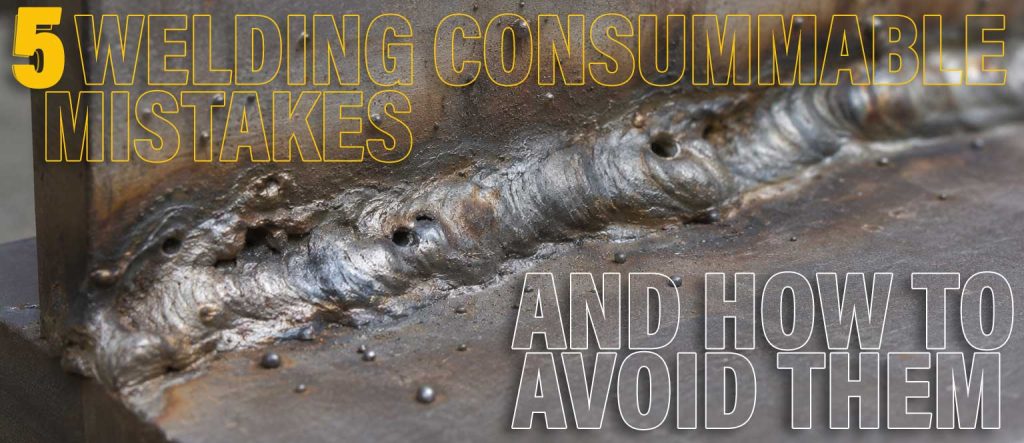
1. Using the Wrong Welding Consumable for the Application
One of the most common mistakes is selecting a welding consumable that isn’t properly matched to the application.
Different base metals, welding processes, and service conditions require different filler metals and electrodes. Using the wrong consumable can contribute to poor weld quality, inadequate mechanical properties, cracking, or other weld defects.
For example, welding stainless steel requires careful consideration of filler metal compatibility, while carbon steel applications may require entirely different consumable specifications.
How to Avoid It:
Identify the base material before selecting a filler metal.
Consider the required mechanical properties of the finished weld.
Match the consumable to the appropriate welding process.
Review manufacturer specifications and applicable welding procedures.
Consult a knowledgeable welding consumables supplier when specifications are unclear.
Selecting the right consumable from the beginning can help prevent unnecessary rework and improve consistency throughout the welding process.
2. Improper Storage and Handling of Welding Consumables
Welding consumables are not immune to environmental conditions. Moisture, contamination, dirt, and improper storage can all negatively affect performance.
This is particularly important when working with low-hydrogen electrodes, which require specific storage and handling procedures to maintain their intended properties.
Moisture exposure can increase the risk of hydrogen-related weld cracking in susceptible applications. Contaminated welding wire or filler metals can also contribute to porosity and other weld quality issues.
How to Avoid It:
Store welding consumables in clean, dry environments.
Follow manufacturer recommendations for temperature and humidity.
Keep packaging sealed until products are ready for use.
Use appropriate storage ovens and holding equipment when required.
Avoid exposing consumables to oil, grease, dirt, or other contaminants.
Follow recommended handling and reconditioning procedures where applicable.
Proper storage isn’t just about keeping products organized. It’s an important part of maintaining consistent welding performance and protecting material quality.
3. Overlooking Welding Wire and Electrode Specifications
Not all welding wires and electrodes are created equal. Differences in diameter, classification, composition, and intended application can have a meaningful impact on welding performance.
Using the wrong wire diameter, for example, can affect deposition rates, feedability, and the ability to achieve the desired weld characteristics.
Similarly, selecting an electrode without considering its classification and application requirements can lead to inconsistent results.
How to Avoid It:
Verify AWS classifications and product specifications before purchasing.
Confirm the correct wire or electrode diameter for the application.
Review recommended operating parameters.
Ensure the consumable meets the requirements of the applicable welding procedure.
Work with suppliers who can provide accurate product information and technical documentation.
Taking the time to verify specifications can help prevent costly mistakes and ensure the consumable is appropriate for the job.
4. Ignoring the Condition of Welding Equipment and Consumable Feed Systems
Even high-quality welding consumables can perform poorly when equipment isn’t properly maintained.
For wire-feed welding processes, worn drive rolls, incorrect tension, damaged liners, and contaminated contact tips can all contribute to inconsistent wire feeding.
These issues may result in erratic arcs, feeding interruptions, inconsistent deposition, and unnecessary downtime.
How to Avoid It:
Inspect drive rolls and replace worn components when necessary.
Use the correct drive roll configuration for the wire being used.
Keep wire liners and feed systems clean.
Check contact tips for wear and replace them as needed.
Verify that wire tension and feed speed are properly adjusted.
Follow equipment manufacturer maintenance recommendations.
Remember, consistent welding performance requires both quality consumables and properly maintained equipment.
5. Choosing Consumables Based on Price Alone
Cost is always an important consideration when purchasing welding supplies, especially for distributors and high-volume manufacturing operations.
However, choosing welding consumables based solely on the lowest purchase price can sometimes create larger expenses down the road.
Inconsistent product quality, poor feedability, excessive spatter, increased cleanup, and unnecessary rework can all contribute to higher overall operating costs.
The true cost of a welding consumable should account for more than its price per pound or package.
How to Avoid It:
Evaluate overall welding performance, not just purchase price.
Consider deposition efficiency and productivity.
Look at the amount of cleanup and rework required.
Work with suppliers who prioritize consistent product quality.
Compare the total cost of using a product rather than simply its upfront cost.
A dependable welding consumable can help improve productivity, reduce waste, and contribute to more predictable operating costs.
The Right Consumables Make a Difference
Welding consumables are a critical part of every successful welding operation. Choosing the right products, following proper storage procedures, understanding product specifications, and maintaining equipment can all contribute to better results.
Whether you’re a welding distributor, fabrication shop, or industrial manufacturer, having access to dependable welding supplies and knowledgeable support matters.
At Washington Alloy Company, we understand the importance of quality, consistency, and dependable product availability. We offer a broad selection of welding consumables, filler metals, and accessories to support the needs of welding professionals and distributors.